Why Ceylon
“Most cinnamon is not what you think it is.“
“There are two completely different spices sold as ‘cinnamon’ in the world. Only one is the real thing. Here is what the science says — and why it matters for your daily health.”
1. Two Cinnamons, One Name
The Cinnamon You Know Is Probably Not True Cinnamon
Most cinnamon sold in supermarkets across the United States — on shelves, in spice racks, and in food products — is a spice called Cassia (Cinnamomum cassia), grown primarily in China, Indonesia, and Vietnam. It is cheaper, more widely available, and has been sold simply as “cinnamon” for decades.
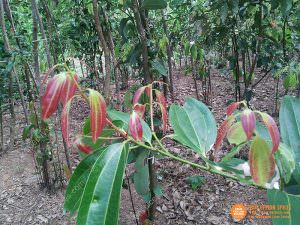
True cinnamon — Ceylon cinnamon (Cinnamomum zeylanicum, also known as Cinnamomum verum) — is a botanically distinct species. It is native exclusively to Sri Lanka and is recognized by scientists, food safety authorities, and culinary experts as the original, authentic cinnamon.
Cassia contains approximately 1% coumarin, while Ceylon contains only 0.004% — around 250 times less. This single difference has significant implications for anyone who uses cinnamon regularly.
2. What Is Coumarin?
The Compound Hidden in Your Spice Rack
Coumarin is a naturally occurring substance found in various plants. It is contained in relatively high concentrations in varieties of cinnamon collectively known as Cassia cinnamon. In especially sensitive persons, even comparatively small quantities of coumarin can cause liver damage, although the effect is usually reversible.
Germany’s Federal Institute for Risk Assessment (BfR) has derived a tolerable daily intake (TDI) of 0.1mg of coumarin per kilogram of body weight per day — the amount a person can ingest daily over a lifetime without appreciable health risk. The European Food Safety Authority has calculated the same value. .
Data from food monitoring shows that Cassia cinnamon on average contains approximately 3,000mg of coumarin per kilogram of cinnamon. The highest measured levels were as high as 10,000mg per kilogram of Cassia cinnamon.
In practical terms, one teaspoon of Cassia can exceed the European Food Safety Authority’s safe daily coumarin limit. One teaspoon of Ceylon stays well below it.
Ceylon cinnamon contains only low levels of coumarin which, in the opinion of the BfR, are safe in terms of their health effects.
3. Who Should Care Most
It Matters More Than You Might Think
Those who frequently use large amounts of cinnamon as a spice in their home cooking should make sure they use Ceylon cinnamon, which is low in coumarin.
Coumarin carries a risk of causing liver damage or failure in sensitive individuals, and among those who consume Cassia cinnamon daily or in large amounts. Those who take cinnamon on a daily basis for health reasons should switch to Ceylon cinnamon.
This is especially relevant for:
- People who add cinnamon to their coffee, oatmeal, or smoothies every day
- Parents adding cinnamon to children’s food regularly — children have lower body weight and reach the tolerable daily intake more quickly
- People taking cinnamon-based food supplements — consumers taking cinnamon-based food supplements should be aware that such products may contain high quantities of Cassia cinnamon
- Anyone with existing liver sensitivities
4. How to Tell Them Apart
Ceylon vs. Cassia — Spot the Difference
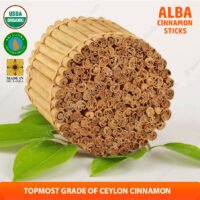
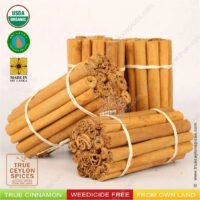
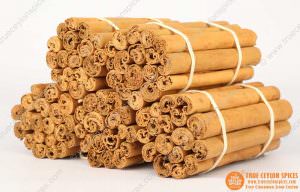
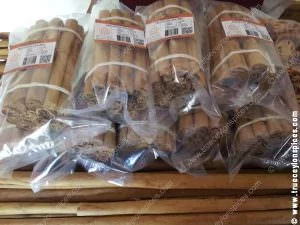
If you have whole cinnamon sticks, the difference is visible. Whereas for Cassia cinnamon a relatively thick outer layer forms a small roll, the cross-section of a Ceylon cinnamon stick resembles a cut cigar — several fine rolled-up layers make up the cinnamon stick, resulting in a relatively densely packed cross section.
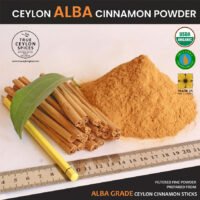
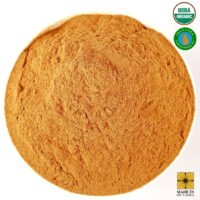
In powder form, the two are visually indistinguishable. If cinnamon is in powder form, it is hardly possible for consumers to tell Ceylon and Cassia cinnamon apart. However, there are products that explicitly state the type of cinnamon as “Ceylon cinnamon” on the packaging.
This is exactly why sourcing matters. At True Ceylon Spices, every batch is single-origin Ceylon cinnamon, grown and processed in Sri Lanka — never blended, never substituted.
5. Why Sri Lanka
The Only Place in the World
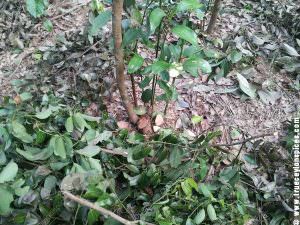
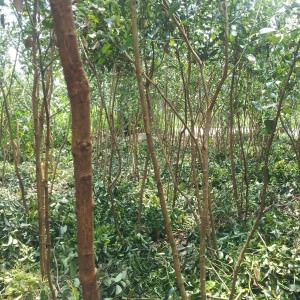
Ceylon cinnamon grows exclusively in Sri Lanka. The country’s warm tropical climate, rich soils, and age-old farming practices have made it the global home of true cinnamon for centuries. Ceylon was in fact the ancient name for Sri Lanka — a name so synonymous with this spice that it became part of its scientific name.
At True Ceylon Spices, we are traditional cinnamon farmers based in Sri Lanka’s Southern Province — the heartland of Ceylon cinnamon cultivation. We grow, harvest, and hand-process our cinnamon ourselves. No middlemen, no blending, no shortcuts.
Section 6 — Alba Grade
Heading: Not All Ceylon Cinnamon Is Equal
Even within Ceylon cinnamon, quality varies by grade. Alba is the finest grade available — harvested from the thinnest, innermost bark of mature cinnamon trees. It produces a more delicate, aromatic, and naturally sweet flavor than lower grades, and is the most sought-after cinnamon in the world.
Our Organic Ceylon Alba Cinnamon Powder is made exclusively from Alba grade bark — certified USDA Organic, certified by Sri Lanka’s organic certification body, and processed in our GMP-certified facility.
Section 7 — Sources & Further Reading
Heading: The Science Behind This Page
This page is based on the following publicly available research and regulatory sources:
- German Federal Institute for Risk Assessment (BfR): FAQ on Coumarin in Cinnamon and Other Foods — bfr.bund.de
- European Food Safety Authority (EFSA): Tolerable Daily Intake for Coumarin
- Healthline: Ceylon vs. Cassia Cinnamon — healthline.com
This page is for educational purposes only. It does not constitute medical advice. Please consult your healthcare professional for personal dietary guidance.